AI Caricature Joins South China Sea Messaging War
AI Caricature Joins South China Sea Messaging War
China Daily's AI monkey video is not a throwaway gag but a delivery system for Beijing's South China Sea narrative, and Manila's response will test diplomacy, platform policy, and the reach of a 2016 tribunal ruling.
 Adrian ValeWorld Correspondent
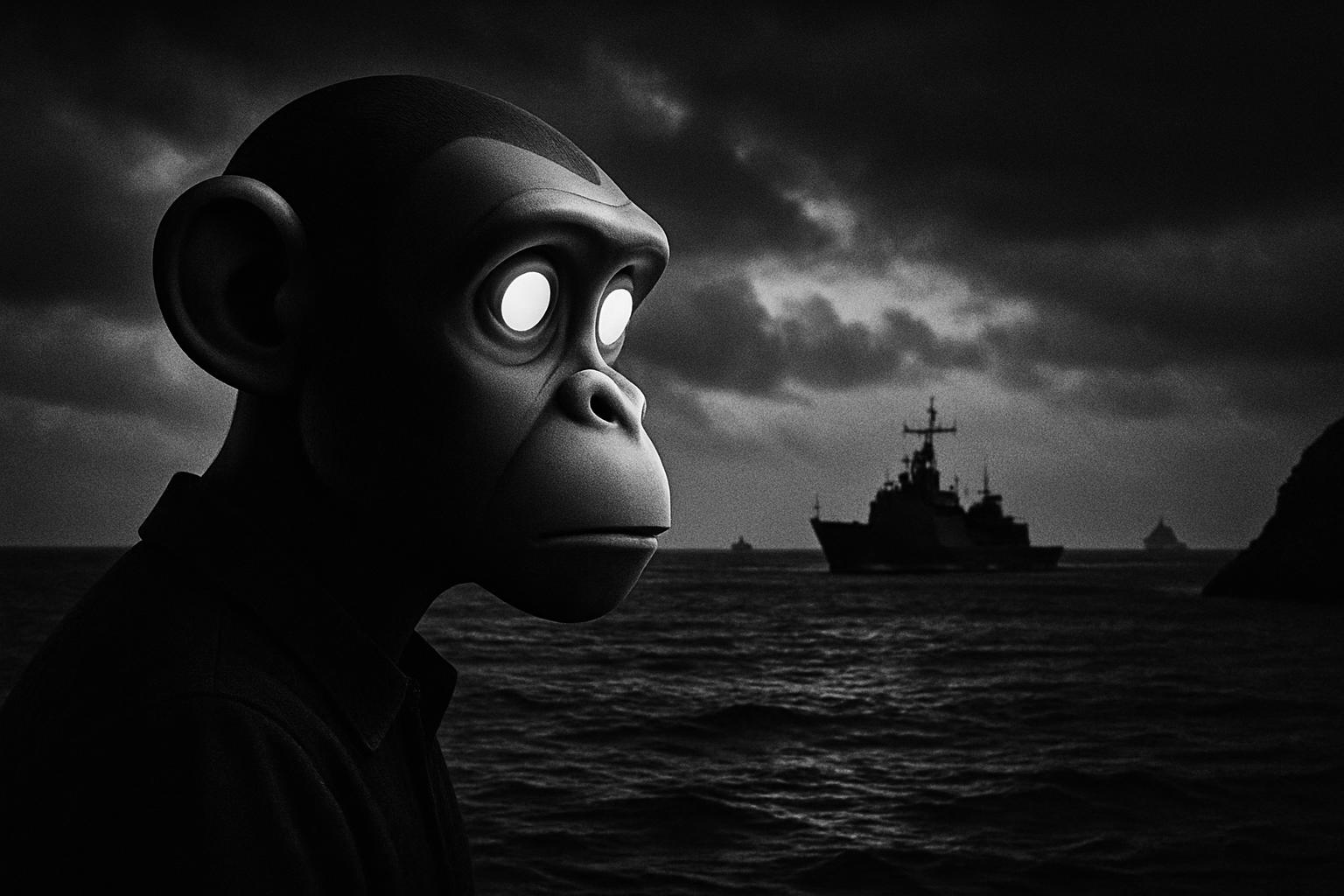
China Daily’s AI video of a monkey in a Filipino shirt is not comic relief. It is a delivery system. In a few seconds it compresses Beijing’s preferred line on the South China Sea: Manila is a pawn of outside powers, the 2016 arbitration award is theater, and escalation at sea is the Philippines’ choice. Manila called the clip dehumanising and racist, and demanded its removal. The video remains on China Daily’s Facebook page.
What the clip says without saying it
The short leans on familiar props. A boat as stage. US and Japanese flags as puppeteers. A sheet labeled South China Sea arbitration award. A water cannon blast. According to China Daily’s caption, the award is a source of confrontation dressed up as law. The Philippines, it says, is clinging to external forces and stirring up trouble. The imagery mirrors real confrontations that have multiplied around Scarborough Shoal and the Spratlys, including high pressure water cannon use by the Chinese Coast Guard that has caused damage and injuries.
The choice of an AI caricature does two things. First, it packages an official line in a shareable format that can circulate beyond state channels. Second, it builds plausible deniability at the level of tone. A cartoon offloads responsibility onto the format. If critics object, defenders can call it satire, not policy. The message travels, while the state can keep the register of official documents and spokespeople more restrained.
Propaganda updated for the platform era
State media has long mocked adversaries. AI changes speed and mutability. Templates can be recombined, and a visual vocabulary can be iterated to match a week’s talking points. China Daily has posted a series of clips and cartoons in recent weeks that depict Manila as a clown or a snake. The monkey video lands near the tenth anniversary of the Permanent Court of Arbitration ruling that found China’s expansive maritime claims had no legal basis under international law. Beijing rejects the jurisdiction of the tribunal. The timing gives the clip a hook and a legal foil to lampoon.
The result is not just domestic morale building. It aims at audiences in Southeast Asia and the wider online sphere. By showing the Philippines as a proxy pushed by outsiders, the clip seeks to reframe maritime run ins as a problem of alliance politics rather than of contested rights. That shifts blame for standoffs, including the barrier China installed in June at Scarborough Shoal that Manila protested, and it tries to undercut sympathy when Philippine vessels are blasted by water cannons.
Disagreement over legal and political issues does not justify resorting to disturbing imagery, which has no place in the civil public discourse of a responsible state.
Manila’s foreign ministry put the critique plainly and asked that the clip be removed. The defense ministry called it contemptible propaganda and said it exposes the moral and intellectual bankruptcy of China’s propaganda machine. Defense secretary Gilbert Teodoro added that the recent spate of schizophrenic behaviour of the Chinese Communist Party is too clear to disregard or ignore. Chinese authorities have not responded. Reporting on the episode can be found here: https://www.bbc.co.uk/news/articles/cj632307934o?at_medium=RSS&at_campaign=rss.
What tools Manila actually has
The first lever is diplomatic. Manila can file and publicize protests, as it did over the Scarborough barrier, and attach the video to a pattern of conduct that includes recent maritime confrontations. That creates a paper trail and sets baselines for partners and forums that watch the dispute. The second lever is legal framing. The anniversary of the arbitration award gives Manila a ready script that contrasts a court record with a caricature. Citing the award in every response keeps the argument tethered to international law rather than to a content cycle.
A third lever sits with platforms. Manila can ask Facebook to review the clip against policies on hate speech and dehumanizing content, and to apply labels or limits where relevant. If the company declines to remove it, a denial still yields a public record that can be used in future moderation appeals or advertiser outreach. A fourth lever is maritime transparency. Publishing verifiable timelines, imagery, and damage assessments after water cannon incidents answers spectacle with evidence. That undermines claims that the Philippines is stirring up trouble and helps third parties understand what is happening at sea.
Manila also has messaging choices. It can refuse to mirror racist tropes and can elevate voices that speak to shared norms at sea, such as safety of navigation and the treatment of crews. The goal is not to win a meme war. It is to keep focus on conduct in disputed waters and on the legal rulings that govern that conduct. When a video depicts the Philippines as a pawn, the reply is to center agency in law and in documented facts.
The line between propaganda and incitement
A state outlet that publishes dehumanizing content invites a question about responsibility if violence follows. In this case the clip references force already used at sea, including water cannons that have caused injuries. The format matters. AI output can be disowned as humor or as an automated flourish. That is the plausible deniability the format buys.
The line that matters for diplomacy is narrower. Propaganda is protected speech in many arenas. Incitement is not. When an outlet tied to a government depicts a nationality as an animal, it can harden attitudes among crews and officials who already operate in tense conditions. It also widens distrust, as Manila’s foreign ministry warned. States are likely to test platform rules and public red lines with more such content. The counter is steady process. File protests, cite the record, document incidents, and keep the focus on behavior at sea rather than on the bait of an algorithmic clip.