Open-Door Rulebook: Rahane’s Window Into Dhoni’s Soft-Power Captaincy
Open-Door Rulebook: Rahane’s Window Into Dhoni’s Soft-Power Captaincy
Ajinkya Rahane’s memory of MS Dhoni’s open-door culture, paired with a single hard line everyone observed, shows how India’s dressing room managed egos across formats and years without turning volume into virtue.
 Sam OkaforSports Writer
There is a reason former India players keep circling back to the Dhoni files, not because nostalgia is cheap, but because the small rules explain the big room. Ajinkya Rahane has added one more detail, a captain whose door stayed open and whose one bright line stayed brighter, a pairing that sounds simple and works because it is. The headline version is blunt. In Rahane’s telling it arrives as four clipped words. No one was allowed. The rest is the space that sentence creates.
The invitation and the line
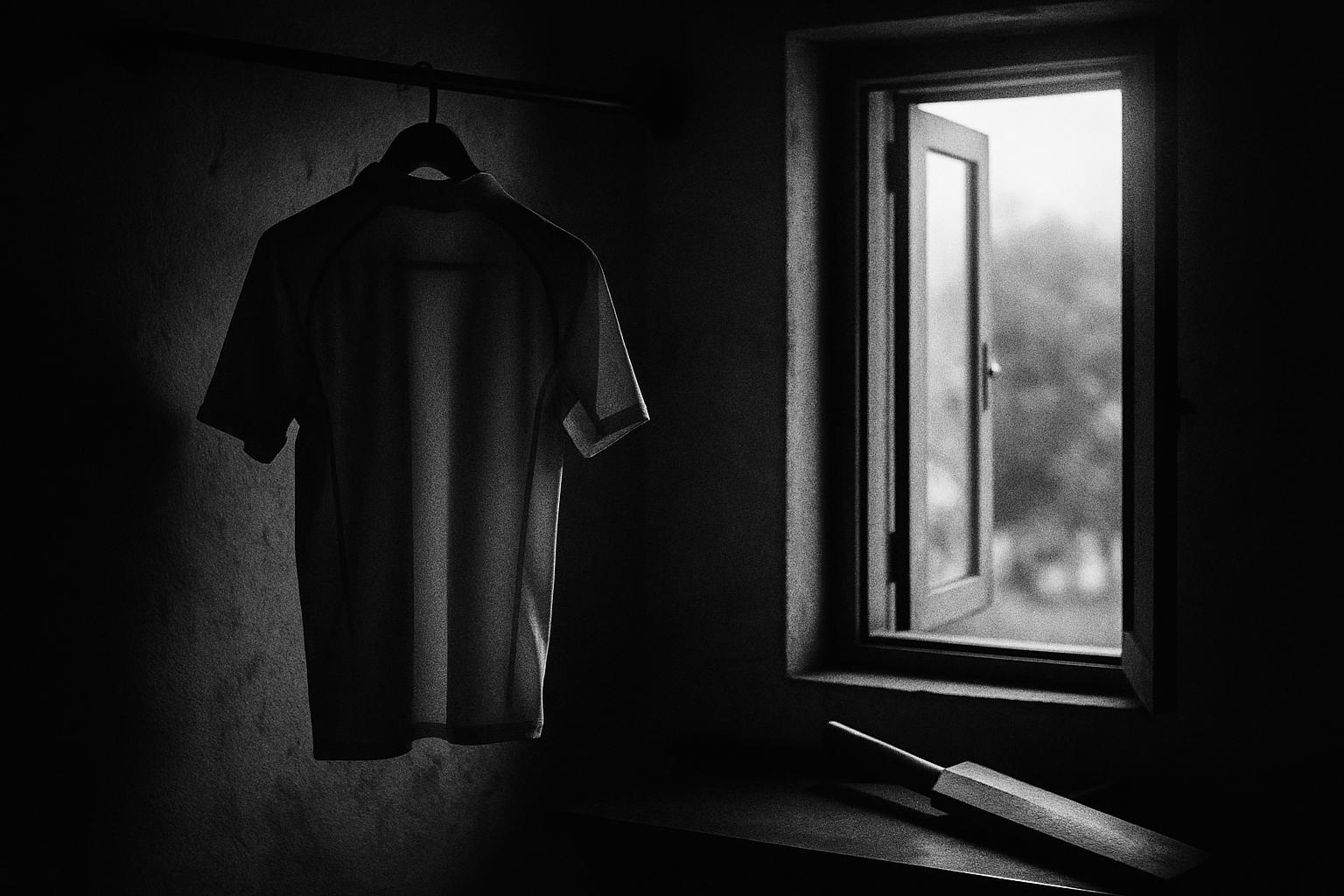
Rahane’s picture is clean. The India captain made access effortless. If you had a question, an insecurity, or a gripe, you could walk in. That is soft power at work, not as mood music, but as method. Open-door is not a policy about furniture. It is a promise about consequences. When the boss says come by anytime, he lowers the social tax on doubt. A young batter can admit confusion about a role. A senior pro can float a tactical tweak without sounding like he is testing rank. The invitation drops the temperature.
Then comes the line. Leaders who give permission also need a boundary, or the room turns noisy. Rahane frames it with that crisp phrase, no one was allowed, a signal that the captain was protecting shared space. The exact content of the rule matters less than the function. In any high performance group one non negotiable clarifies a hundred negotiables. Players learn what is sacred, which frees everything else to be flexible. One rule buys a lot of freedom.
No one was allowed.
Those four words carry the weight of a decade. They sound severe and they are, yet they keep the edges of an open culture from fraying. When access is unlimited, etiquette must be clear. A team is a commons. A commons only survives with norms, and someone has to name them.
Managing egos without making them the enemy
Indian cricket in its golden stretch has been a mosaic of formats, personalities, and career arcs. An open-door culture helps because it does not ask egos to vanish. It asks them to report to work. Ego can be energy, and energy without permission has nowhere to go except sideways. A captain who invites conversations creates vents for pressure that might otherwise leak into selection whispers or silent sulks.
Soft power is often caricatured as passive. In practice it is a posture of control. You do not need to police a room you already own. When Rahane recalls easy access to the captain, you can hear how hierarchy was kept without constant performance of hierarchy. Respect is not a function of decibels. It is a function of attention paid and accountability enforced. The open door supplies the former. The single rule provides the latter.
This is not kumbaya. It is clarity. The system trusts you enough to listen, then expects you to live inside the one limit everyone knows. That mix is why a dressing room packed with stars could keep the lights low and the work rate high.
Why it travels across eras
International cricket now moves fast. White ball roles bleed into red ball reputations. Contracts move faster than careers. In such churn, clarity is currency. A player who can seek context without repercussion is less likely to hear feedback as an attack on self. A coach can refine a plan without turning it into a referendum on worth. That is how a room holds during selection churn and tactical experimentation. It is not that everyone agrees. It is that everyone knows how to disagree.
Rahane’s memory hints at something subtler. Open-door cultures scale when veterans carry the habit forward. Access to the captain becomes access to the core. Advice travels sideways, not just from the chair at the front. That diffusion keeps continuity while faces rotate. The captain does not have to sit in every conversation. He only has to make those conversations possible, then protect the few lines that cannot be crossed.
There is a rhythm to it. Invitation, then line. Curiosity, then clarity. The best teams rehearse that rhythm until it feels like weather. You step into it, you play inside it, you pass it on.
What successors keep, what they prune
Successors inherit not just a group, but its grammar. An open door is a piece of grammar. Some keep it intact, because no team ever complained about too much trust. Others tighten or loosen the boundary to suit their temperament. That is succession. Copying tone is harder than copying tactics, and most leaders end up sounding like themselves.
The point is not to rank versions. Context changes. Squads change. Schedules change. What endures is the usefulness of Rahane’s template. Invite the talk. Name the line. Let grown professionals be grown professionals, then make the one non negotiable obvious enough that even the late arrivals can find it.
There is also memory at work. Players remember how it felt to be heard. They remember the line too. The combination travels because it is useful and because it is fair. Nothing spreads faster in a team than a fair rule that is actually applied.
The story that starts the others
Box scores tell us what someone did. These memories tell us how and why they kept doing it in the same room. Rahane is not burnishing a myth. He is handing us a mechanism. A captain turned the most intimidating door in Indian sport into the easiest one to knock on, then backed it with a rule everyone could recite without checking the wall. In elite teams that is culture, not decor. You build it, then you teach it to the next group that walks in without asking.
None of this promises outcomes. Results live in form and luck and fifty other variables no leader can script. Inputs matter anyway, and culture is the input you carry game to game when the ball refuses to listen. Rahane’s recollection is a reminder that the best authority often speaks softly, opens widely, then draws one hard line in ink. In a room full of careers, that combination keeps the volume high without tipping into noise.
Which brings us back to the four words that read like a riddle and operate like a pillar. No one was allowed. The door stays open. The team does not fall through it.