Jharkhand Exam Agitation Is A Stress Test For Hemant Soren
Jharkhand Exam Agitation Is A Stress Test For Hemant Soren
Day 13 of the Ranchi sit-in, with six on hunger strike, has moved the JPSC row from grievance to governance, as students press for a CBI probe and even the chief minister’s resignation while the state weighs inquiry, engagement and crowd control.
 Veera NairTET TV Anchor — India Desk
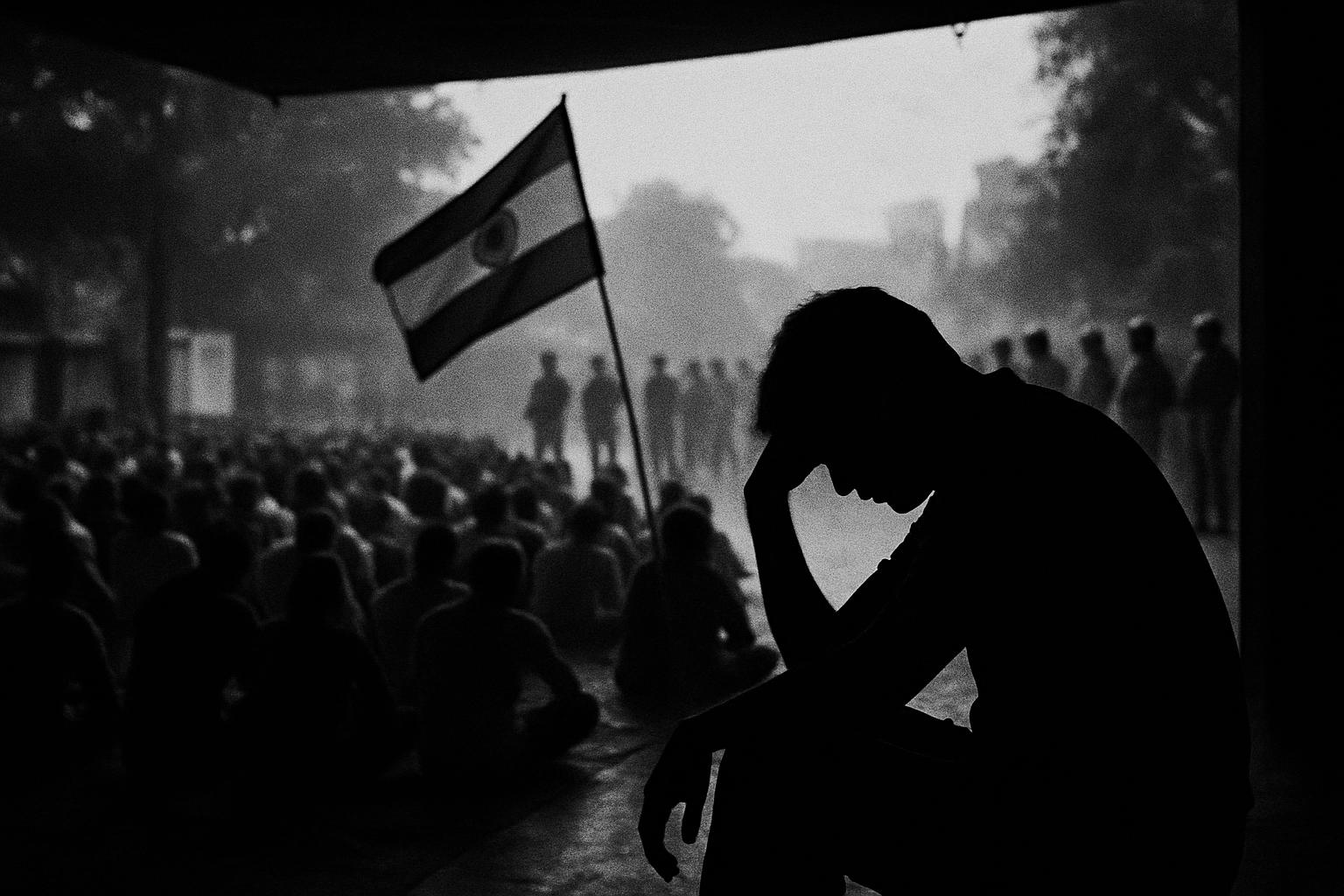
In Ranchi, a student sit-in over state recruitment exams has turned from complaint to credibility test for the administration. It is Day 13, and six protestors are on hunger strike according to reports. The asks have climbed from process fixes to a Central Bureau of Investigation probe, and now to calls for Chief Minister Hemant Soren’s resignation that students say reflect an unresponsive government.
The government is managing legitimacy as much as law and order. Soren has briefed the governor on the controversy around the Jharkhand Public Service Commission and related state recruitment tests. A Raj Bhavan statement called the alleged irregularities a matter of grave concern, and underlined that commissions must leave no room for doubt on transparency and credibility. That framing puts a spotlight on the next steps.
Talks have been offered. The state asked students to send a five-member delegation. Protest leaders say they prefer discussions in public view and have kept the CBI demand on the table. They are also preparing for a gherao of the state assembly on 10 August. Parallel hunger strikes have raised the moral stakes. Some students at the site describe dizziness and fatigue, and a local political leader has joined an indefinite fast.
The question now is state capacity. Three tests will decide whether the government can lower the temperature while holding the line on procedure and public order.
Process discipline
The trigger is alleged irregularities in the JPSC and JSSC CGL recruitment cycle. Students want more than punishment for individuals. They want a verifiable audit trail. The minimum administrative response is a time-bound inquiry that produces specific disclosures. That includes itemised steps on paper custody, evaluation logs, and digital access controls. It also includes a forward calendar that clarifies retests if any. The governor’s formulation puts the onus on building a system that eliminates doubt. Until the state publishes a clear sequence for fact-finding and remediation, mistrust will persist.
A public timeline is the hinge. It should name who will probe what, list deliverables, and set dates for first findings and final closure. It should also say when and how external assistance might be invoked if gaps remain. In recruitment controversies, silence reads as evasion. Detail builds confidence.
Clarity in engagement
The choice to seek a five-member delegation suggests a preference for a controlled channel. That can work if minutes are published quickly and if the government signals what is negotiable and what is not. Students have asked that talks be on camera or in the open. A narrow, closed-door format risks being read as opacity. A protocol that commits to public summaries within 24 hours would help contain rumours and show respect for those camping at the site.
The content matters as much as the format. If the state cannot agree to a CBI probe at this stage, it can still specify trigger points for escalation, for instance a decision matrix that says which findings would require an external agency. It can also commit to third-party process audits where permissible. These are ways to separate political noise from administrative repair.
Calibrated policing
The protest is anchored in Ranchi, with plans for a march toward the assembly. With hunger strikes in play and health deteriorating for some, the police face a narrow path. Overreach invites solidarity and national attention. Underreach risks disorder near the House. The least risky course is facilitation with medical monitoring, escorted routes, and clear red lines communicated in advance. Dialogue is already on the table, which suggests the administration is prioritising de-escalation. The test will come on 10 August.
The optics have shifted. A hunger strike personalises a procedural dispute. Quotes from the site frame the chief minister as a guardian who must feel the pain of students going without food. That sentiment makes hard policing look punitive rather than preventive. It narrows options and raises the cost of delay.
Politics has caught up. The demand for Soren’s resignation is a maximalist ask that compresses administrative failure into a leadership question. Soren’s meeting with the governor shows he recognises the need to show movement. His assurance that the government is committed to justice is a start, but it needs translation into documents and dates. The administration can lower the temperature without ceding investigative control on day one if it publishes a timeline for inquiry steps and a clear route for remedial exams if required.
The spillover risk is real because the core questions travel across state lines. Youth unemployment and exam credibility are portable grievances. If Jharkhand’s response looks slow or opaque, sit-ins can appear elsewhere. Students ask simple things. Was the process fair. Will flawed exams be repaired fast. Who will investigate. A clear, published route map in Ranchi reduces the incentive for copycat agitations in the east.
There is also a lesson on institutional voice. The governor’s line, that commissions should function without any doubt, is an anchor. If the JPSC and JSSC leadership echo that sentiment with concrete commitments, for instance a third-party audit of processes where permissible, it can separate the commissions from political crossfire. Silence from the institutions pushes the entire burden onto the cabinet.
Two near-term markers will show whether the government is regaining control. One, whether the student delegation meets ministers and whether the output of that meeting is published promptly. Two, whether there is a public-facing inquiry framework that explains what will be probed, by whom, and by when. The assembly gherao plan provides a hard date. If there is visible progress before 10 August, the protest’s intensity may plateau. If not, the agitation may entrench, and each additional day on hunger strike will deepen the perception of drift.
Timelines speak louder than intent.
In Ranchi, the clock is already ticking.