Understanding the Bucks: A Comprehensive Guide
Exploring the World of Bucks in Nature and Culture
What Are Bucks?
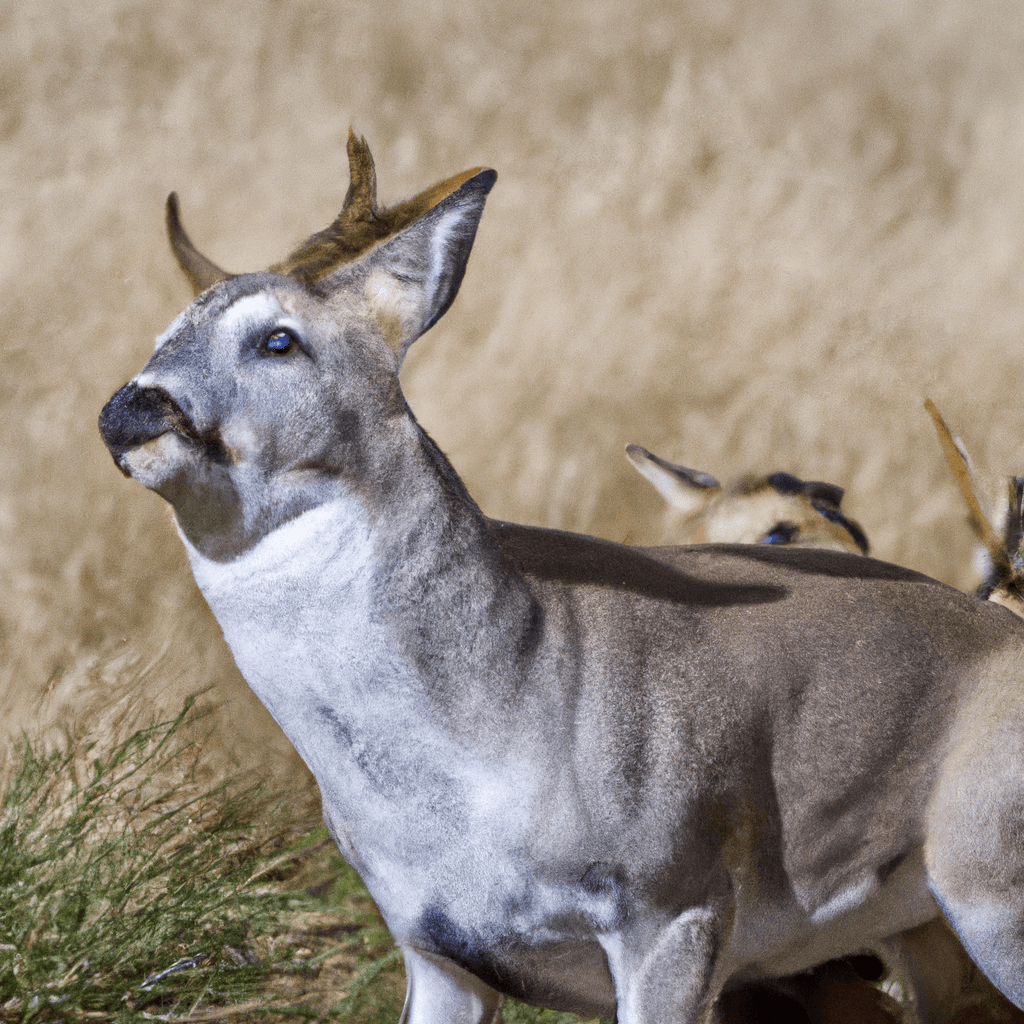
Bucks are male members of the deer family and are known for their impressive antlers and graceful movements. Found in various habitats across the globe, these animals play a crucial role in their ecosystems.
Species of Bucks
There are several species of bucks, including:
- White-tailed Deer: Commonly found in North America, these bucks are known for their elegant tails.
- Mule Deer: Recognizable by their large ears, these bucks are native to western North America.
- Red Deer: One of the largest deer species, red bucks are mostly found in Europe and Asia.
- Roe Deer: Smaller in size, roe bucks are prevalent across Europe and are known for their agility.
Antlers: A Distinctive Feature
One of the most distinctive features of bucks is their antlers. Antlers are made of bone and are shed and regrown annually. They serve various purposes, including attracting mates and establishing dominance during the rutting season.
Role in Ecosystem
Bucks play an essential role in their ecosystems by influencing plant growth and serving as prey for predators. Their grazing habits help maintain a balance in their habitats.
Bucks in Culture
Bucks have also made their way into various cultural references, symbolizing strength, virility, and freedom. They frequently appear in literature, art, and folklore.
Conservation Efforts
Many species of bucks are threatened due to habitat loss, hunting, and climate change. Conservation efforts are crucial to ensure that these majestic creatures continue to thrive in the wild.
Conclusion
Whether you admire them in the wild or through cultural representations, understanding bucks allows us to appreciate their significance in nature and society.